Rider Guides
Better rides begin with a better setup. Explore practical guidance for protection, visibility, security, cargo, maintenance, and the everyday essentials that keep your ride organized.
Build Your Ride Setup
Build Around How You Ride
The most useful gear solves a specific problem. Start with your route, riding time, storage needs, and daily conditions, then build outward with equipment that supports the way you actually ride.
Daily Commuting
Prioritize comfortable protection, dependable visibility, practical security, and cargo that keeps weight off your back.
Performance Riding
Choose streamlined equipment, stable mounting systems, compact carrying solutions, and gear that stays unobtrusive at speed.
Low-Light Riding
Build your setup around front illumination, rear visibility, reflective details, and simple routines that keep your lights ready.
Utility Riding
Focus on balanced cargo, secure racks, weather-ready bags, practical fenders, and maintenance essentials for longer days.

Fit Comes First
A strong protection setup begins with equipment that fits correctly, remains stable while you move, and suits the pace and environment of your normal rides.
- Choose a helmet shape and adjustment system that feels secure without uncomfortable pressure points.
- Keep the helmet level and stable rather than tilted backward or shifting while you ride.
- Match ventilation and coverage to your riding style, climate, and typical ride duration.
- Add pads or guards when your route, terrain, or riding style calls for additional coverage.
Own The Dark
Visibility is a system, not a single accessory. Build layers with front lighting, rear lighting, reflective details, and mounting positions that stay clear of bags and clothing.
- Use a front light suited to the darkness, speed, and road conditions you expect to encounter.
- Place the rear light where it remains clearly visible and is not blocked by cargo.
- Use reflective gear as an additional visibility layer rather than relying on one lighting point alone.
- Create a charging routine so rechargeable lights are ready before the ride begins.

Lock With Intent
Security works best when the lock, parking location, attachment point, and routine support each other. Think about where your bicycle spends time before deciding what you carry.
- Match your lock style to normal parking duration, location, and available attachment points.
- Secure the bicycle through a strong part of the frame whenever your parking setup allows it.
- Reduce unnecessary space inside the locked area and keep removable accessories in mind.
- Consider an alarm or tracker as an additional security layer for your regular routine.

U-Locks
A focused option for riders who want a compact and rigid primary lock for regular city stops.
Chain & Cable
Useful when flexible reach matters or your parking environment includes awkward attachment points.
Alarms & Trackers
An additional layer for riders who want greater awareness around a parked bicycle and everyday equipment.
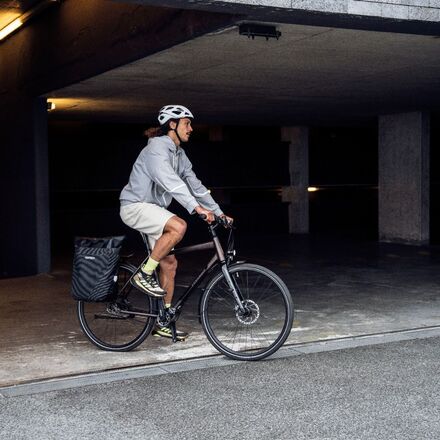
Carry Without Clutter
A well-planned cargo setup keeps weight stable, essentials accessible, and the bicycle easy to handle. Choose the carrying position according to what you bring most often.
- Panniers Ideal when you need meaningful capacity while keeping the load off your shoulders.
- Frame Bags Useful for compact tools, smaller essentials, and weight positioned close to the bicycle.
- Handlebar Bags Convenient for items you want to reach quickly during shorter everyday rides.
- Racks & Baskets A flexible foundation for commuting, shopping, utility riding, and larger daily loads.
Keep The Bike Ready
The best maintenance routine is simple enough to repeat. Keep a useful set of tools nearby and make quick checks part of your normal riding rhythm.

Inflation
Keep a dependable pump available and make tire pressure part of your regular pre-ride routine.
Quick Repair
Carry a compact repair kit matched to your bicycle, route length, and realistic roadside needs.
Clean & Inspect
Regular cleaning makes wear, loose parts, and unusual changes easier to notice before the next ride.
Lubrication
Use suitable bicycle care products where needed and avoid allowing excess product to collect dirt and debris.
Refine The Everyday Ride
Small accessories create the most value when they improve a repeated part of your routine. Choose the pieces that make navigation, awareness, weather protection, and bike control easier.

Phone & GPS Mounts
Prioritize a stable mounting position that keeps information readable without crowding normal handlebar controls.
Bells & Mirrors
Choose communication and rear-awareness tools that suit your riding position, route density, and handlebar layout.
Fenders
Useful for riders who regularly encounter wet pavement, road spray, mixed weather, or year-round commuting conditions.
Three Ways To Build Your Kit
There is no single perfect setup. Use these simple profiles as a starting point, then adjust around your actual route, storage, weather, and riding frequency.
The Commuter
- Comfortable commuter helmet
- Front and rear visibility
- Primary bicycle lock
- Pannier or rack bag
- Compact pump and repair kit
- Fenders for changing conditions
The Performance Rider
- Performance-focused helmet
- Compact front and rear lights
- Small frame or handlebar bag
- Minimal repair essentials
- Secure phone or GPS mount
- Streamlined awareness accessories
The Everyday Hauler
- Comfortable protective equipment
- High-visibility lighting setup
- Lock with an additional security layer
- Rack, basket, or pannier system
- More complete maintenance kit
- Weather-ready fenders and accessories
Your Rider Guide Map
Return to any guide area as you refine your setup. Start with the category that solves the most immediate problem on your regular ride.
Helmets & Protection
Read guideLights & Visibility
Read guideLocks & Security
Read guideBags & Cargo
Read guideTools & Maintenance
Read guideRide Essentials
Read guideBuild A Smarter Ride
Start with equipment that supports your most common ride, then add only what improves protection, visibility, security, carrying, maintenance, or everyday comfort.